
 21 March
 The Wall Decides More Than the Taste Does
Bournemouth has a lot of Victorian and Edwardian housing, and the walls in those rooms behave differently from a modern plasterboard partition. They are often lime-plastered, rarely perfectly flat, and sometimes still moving slightly with the seasons. That changes which finish will look good in three years’ time, not just on the day.
Where Paint Wins
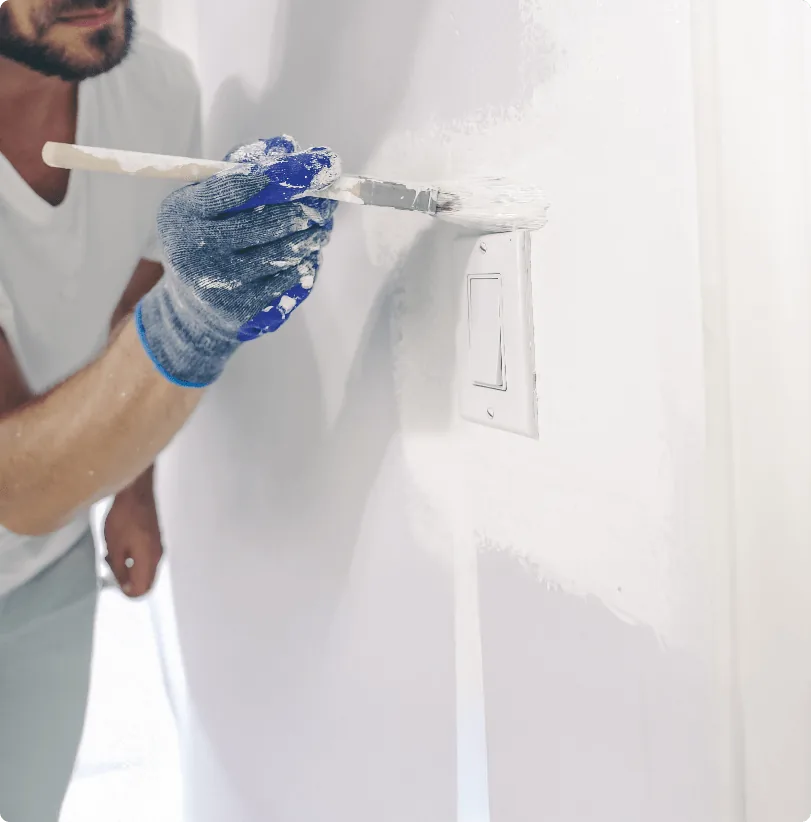
Paint suits a wall that is genuinely sound and reasonably flat, and it is the easier finish to live with. It can be touched in, changed cheaply, and it does not fail dramatically if a small area gets damp.
If a period wall has been well repaired and skimmed, paint is usually the better answer — particularly in a room where you might want a different colour in five years.
Where Wallpaper Wins
Wallpaper earns its place on walls that will never be truly flat. A lining paper or a heavier textured paper bridges minor irregularities that paint would simply advertise, especially in low winter light raking across a wall.
- Lining paper first, then paint, gives a flat finish on an uneven wall
- Textured and patterned papers disguise historic movement and old repairs
- Chimney breasts and alcoves take a feature paper well without overwhelming a room
- Avoid heavy vinyl on a solid wall that needs to breathe
Preparation Is Different for Each
This is where period rooms catch people out. Paint needs the wall itself to be right — filling, sanding and often a stabilising primer on old plaster. Wallpaper needs the wall to be sound and sized, but it forgives a surface that paint would not.
What neither forgives is damp. If a period wall is drawing moisture, both finishes will fail, and the answer is to find the cause before decorating rather than after.
A Practical Compromise
The approach we use most often in period rooms is lining paper on the difficult walls, painted in the chosen colour, with a feature paper reserved for a chimney breast if the client wants one. You get a flat, even finish across the room, the character of the space is kept, and repainting in a few years is straightforward.